Understanding the role of DNS in network connectivity delves into the intricate world of domain names, IP addresses, and internet communication, shedding light on the crucial role DNS plays in keeping our online experiences seamless and efficient. As we navigate through the complexities of networking, this topic unveils the hidden mechanisms that power the connectivity we often take for granted.
This exploration will not only enhance your knowledge but also provide a deeper appreciation for the digital infrastructure that underpins our daily interactions in the virtual realm.
Understanding the Role of DNS in Network Connectivity
DNS, or Domain Name System, plays a crucial role in networking by translating human-readable domain names into IP addresses that computers can understand. This translation is essential for devices to communicate with each other over the internet. DNS servers are responsible for managing this translation process and directing traffic to the correct destinations.
The Concept of DNS
DNS acts as the phonebook of the internet, translating domain names like “google.com” into numerical IP addresses such as “172.217.3.206”. This translation is necessary for devices to locate each other on the internet and establish connections for data exchange.
Translating Domain Names into IP Addresses
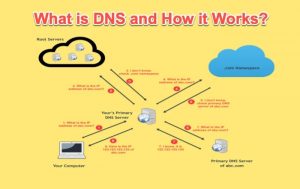
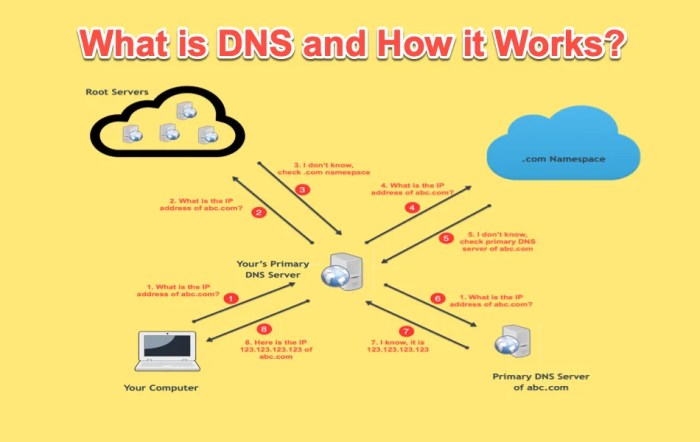
When a user enters a domain name into a web browser, the DNS resolver on the device queries a DNS server to obtain the corresponding IP address. The DNS server then searches its database for the IP address associated with the domain name and returns this information to the resolver.
This allows the device to connect to the correct server hosting the website or service.
Role of DNS Servers
DNS servers are distributed across the internet and work together to ensure efficient and accurate resolution of domain names to IP addresses. They store records of domain names and their corresponding IP addresses, reducing the need for devices to remember all IP addresses.
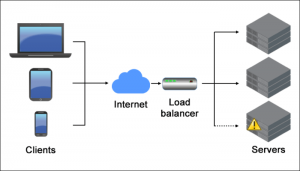
DNS servers also help in load balancing and fault tolerance by directing traffic to different servers based on their availability and performance.
Mobile App Development
Mobile app development involves a series of key steps to create a functional and user-friendly application for mobile devices. From conceptualization to deployment, each phase plays a crucial role in the overall success of the app.
Key Steps in Mobile App Development Process
- Requirement Gathering: Understanding the client’s needs and target audience.
- Wireframing and Design: Creating a visual representation of the app’s layout and features.
- Development: Writing the code and integrating the design elements.
- Testing: Conducting various tests to ensure the app functions correctly.
- Deployment: Releasing the app on app stores for users to download.
Importance of User Experience Design in Mobile App Development
User experience design is crucial in mobile app development as it focuses on creating a seamless and intuitive interface for users. A well-designed app enhances user satisfaction, increases engagement, and boosts retention rates. By prioritizing user experience, developers can create an app that meets the needs and expectations of the target audience.
Interaction of Backend Systems with Mobile Apps
Backend systems play a vital role in the functionality of mobile apps. They store and manage data, handle user authentication, and facilitate communication between the app and external services. APIs (Application Programming Interfaces) enable the interaction between the frontend of the app and the backend systems, allowing for seamless data exchange and improved user experience.
Software Development
Software development involves a series of phases that make up the software development life cycle. It encompasses everything from initial concept to final deployment and maintenance of a software product.
Software Development Life Cycle Phases
- 1. Planning: In this phase, the project scope, requirements, and objectives are defined, and a plan is created to guide the development process.
- 2. Analysis: This phase involves gathering and analyzing requirements from stakeholders to understand what the software needs to achieve.
- 3. Design: During the design phase, the system architecture, user interface, and technical specifications are planned in detail.
- 4. Implementation: This is the phase where the actual coding and programming of the software takes place based on the design specifications.
- 5. Testing: Software is tested for bugs, errors, and overall functionality to ensure it meets the requirements and performs as expected.
- 6. Deployment: Once testing is complete, the software is deployed to the production environment for users to access.
- 7. Maintenance: The software is regularly updated, patched, and maintained to ensure it continues to function properly and meets changing user needs.
Programming Languages in Software Development
- Java: Known for its portability and scalability, Java is widely used in enterprise applications and Android development.
- Python: Highly versatile and easy to read, Python is popular for web development, data analysis, and artificial intelligence.
- C++: Often used for system software, game development, and performance-critical applications due to its speed and efficiency.
- JavaScript: Primarily used for front-end web development, JavaScript is essential for creating interactive web pages.
Significance of Version Control
Version control systems like Git play a crucial role in software development by allowing developers to track changes, collaborate efficiently, and manage codebase versions effectively. With version control, developers can:
- Track changes made to the codebase over time.
- Work on different features or fixes concurrently without conflicts.
- Revert to previous versions if new changes introduce bugs or issues.
- Collaborate with team members seamlessly by merging code changes.
Cybersecurity
In today’s digital landscape, cybersecurity is a critical aspect of protecting sensitive data and ensuring the safety of networks. Understanding common cybersecurity threats, the role of encryption, and the importance of regular security audits is essential in maintaining a secure environment.
Common Cybersecurity Threats
There are several common cybersecurity threats that organizations and individuals face:
- Malware: Malicious software designed to disrupt, damage, or gain unauthorized access to a computer system.
- Phishing: Deceptive emails or messages used to trick individuals into revealing sensitive information.
- DDoS Attacks: Distributed Denial of Service attacks overwhelm a network with traffic, causing it to become unavailable.
- Ransomware: Malware that encrypts files and demands payment for their release.
Role of Encryption in Securing Sensitive Data
Encryption plays a crucial role in securing sensitive data by converting it into a coded format that can only be accessed with the correct decryption key. This ensures that even if data is intercepted, it remains unreadable and protected from unauthorized access.
Importance of Regular Security Audits
Regular security audits are vital in maintaining cybersecurity for several reasons:
- Identifying Vulnerabilities: Audits help identify weaknesses in systems or processes that could be exploited by cyber attackers.
- Compliance: Audits ensure that organizations meet regulatory requirements and industry standards for data protection.
- Continuous Improvement: By regularly assessing security measures, organizations can implement improvements to enhance their cybersecurity posture.
Mobile Technology
Mobile technology has revolutionized the way we communicate, work, and interact with the world around us. From smartphones to wearable devices, the evolution of mobile technology has been rapid and impactful. In this section, we will explore some of the emerging trends in mobile technology, discuss its impact on various industries, and take a look at how mobile technology has evolved over the years.
Emerging Trends in Mobile Technology
- 5G Technology: The rollout of 5G networks has opened up new possibilities for faster data speeds, lower latency, and improved connectivity for mobile devices.
- Augmented Reality (AR) and Virtual Reality (VR): The integration of AR and VR technology in mobile apps is transforming the way we experience entertainment, education, and even shopping.
- Internet of Things (IoT): The increasing connectivity between smart devices and sensors is creating a network of interconnected devices that can communicate and interact with each other, leading to a more seamless and efficient user experience.
Impact of Mobile Technology on Various Industries
- Healthcare: Mobile technology has enabled remote patient monitoring, telemedicine services, and health tracking apps that allow patients to take control of their health and well-being.
- Retail: Mobile apps and mobile payment systems have transformed the way consumers shop, making it easier and more convenient to make purchases anytime, anywhere.
- Transportation: Ride-sharing apps, navigation services, and real-time transportation updates have revolutionized the way we travel and commute, making transportation more efficient and accessible.
Evolution of Mobile Technology Over the Years
- First Generation (1G): Introduced in the early 1980s, 1G technology enabled basic voice calls on analog networks.
- Second Generation (2G): The introduction of digital networks in the 1990s allowed for text messaging and limited data services.
- Third Generation (3G): The early 2000s saw the rise of 3G networks, enabling faster data speeds and the introduction of mobile internet services.
- Fourth Generation (4G): 4G technology brought about even faster data speeds, high-definition video streaming, and improved connectivity for mobile devices.
- Fifth Generation (5G): The latest generation of mobile technology, 5G promises to revolutionize connectivity with ultra-fast speeds, low latency, and support for a wide range of connected devices.
Technology & Software
Technology and software are often used interchangeably, but they have distinct meanings. Technology refers to the tools, systems, and methods used to solve problems or achieve goals. Software, on the other hand, is a set of instructions or programs that tell a computer how to perform specific tasks.
Differentiate between software and technology
Software and technology work hand in hand to drive innovation and progress in various fields. While technology provides the infrastructure and hardware needed to run programs, software enables these systems to perform specific functions and tasks efficiently.
Explain how software enhances technological advancements
- Software allows for automation and streamlining of processes, increasing efficiency and productivity in various industries.
- Continuous updates and improvements in software contribute to the evolution and enhancement of technology, leading to more advanced tools and systems.
- Software development fosters creativity and innovation, pushing the boundaries of what technology can achieve.
Discuss the relationship between technology and software innovation
- Technology provides the foundation for software development, serving as the platform on which new programs and applications are built.
- Software innovation often drives technological advancements by introducing new features, functionalities, and capabilities to existing systems.
- The symbiotic relationship between technology and software fosters a cycle of innovation, where each fuels the growth and evolution of the other.
Web Development
Web development encompasses a variety of tasks involved in creating websites for the internet. It includes web design, web content development, client-side/server-side scripting, network security configuration, and more.
Key Components of Web Development
- Web Design: The visual aspects of a website, including layout, colors, and typography.
- Front-end Development: The part of web development that focuses on the user interface and user experience.
- Back-end Development: The behind-the-scenes work that powers the website and manages data.
- Web Content Development: Creating and curating content for the website to engage users.
- Network Security Configuration: Implementing measures to protect the website and its data from cyber threats.
Importance of Responsive Web Design
Responsive web design is crucial in modern websites as it ensures that the website adapts to different screen sizes and devices. This is important because more and more people are accessing the internet on mobile devices, and a responsive design provides a seamless user experience across all platforms.
Role of Front-end and Back-end Development
- Front-end Development: Focuses on the visual aspects of the website that users interact with. It involves coding languages like HTML, CSS, and JavaScript to create an engaging user interface.
- Back-end Development: Handles the server-side of the website, managing data, user authentication, and server requests. It involves languages like PHP, Python, and Ruby to build the functionality of the website.
Networking
Networking is the practice of connecting various devices to share resources and information. It plays a crucial role in modern communication by enabling data transfer and communication between different systems.
Types of Networks
- LAN (Local Area Network): LAN is a network that connects devices within a limited geographical area, such as a home, office, or school. It allows for the sharing of resources like printers and files.
- WAN (Wide Area Network): WAN spans a large geographical area and connects multiple LANs. The Internet is the largest WAN, facilitating global communication.
- WLAN (Wireless Local Area Network): WLAN uses wireless technology to connect devices within a limited area, eliminating the need for physical cables.
Role of Network Infrastructure Components
Routers, switches, and firewalls are essential components of network infrastructure that help in managing and securing network traffic.
- Routers: Routers are devices that forward data packets between computer networks. They determine the best path for data transmission and enable communication between different networks.
- Switches: Switches connect devices within a LAN and manage data traffic by sending data only to the intended recipient. They ensure efficient communication within the network.
- Firewalls: Firewalls act as a barrier between a secure internal network and an external untrusted network. They monitor and control incoming and outgoing network traffic based on predetermined security rules, protecting the network from unauthorized access and cyber threats.
Gaming Hardware
When it comes to gaming, having the right hardware is crucial for a smooth and enjoyable experience. From powerful processors to high-quality graphics cards, gaming hardware plays a significant role in determining the performance of your games.
Essential Components of Gaming Hardware
- Graphics Processing Unit (GPU): Responsible for rendering images and videos, providing high-quality visuals in games.
- Central Processing Unit (CPU): Handles overall computing tasks and calculations, impacting the speed and responsiveness of games.
- Random Access Memory (RAM): Stores temporary data for quick access, affecting the multitasking capabilities of gaming systems.
- Storage: SSDs and HDDs store game files and data, influencing loading times and storage capacity.
- Power Supply Unit (PSU): Supplies power to all components, ensuring stable and reliable performance.
Impact of Hardware Specifications on Gaming Performance
The specifications of gaming hardware directly impact the performance of games. A powerful GPU can deliver stunning graphics and smooth frame rates, while a fast CPU ensures quick processing and reduced lag. Higher RAM capacity allows for seamless multitasking, and faster storage drives lead to shorter loading times.
Importance of Cooling Systems in Gaming Hardware
Cooling systems are essential in gaming hardware to prevent overheating and maintain optimal performance. Processors and graphics cards can generate a significant amount of heat during intense gaming sessions, and efficient cooling solutions such as fans, heat sinks, and liquid cooling systems help dissipate this heat to prevent thermal throttling and component damage.
Smart Technology
Smart technology refers to devices and systems that utilize advanced technology like artificial intelligence to improve efficiency, convenience, and overall user experience. These devices are becoming increasingly popular in the market due to their ability to automate tasks, collect data, and adapt to user preferences seamlessly.
Examples of Smart Technology Devices
- Smart Home Assistants (e.g., Amazon Echo, Google Home)
- Smart Thermostats (e.g., Nest)
- Smart Appliances (e.g., Smart Refrigerators, Smart Washing Machines)
- Smart Wearables (e.g., Smartwatches, Fitness Trackers)
- Smart Security Systems (e.g., Ring Doorbell, Arlo Security Cameras)
Benefits of Integrating Smart Technology into Daily Life
- Convenience: Smart devices automate tasks and provide easy access to information.
- Efficiency: Smart technology can help save time and energy by streamlining processes.
- Energy Savings: Smart appliances and systems can optimize energy usage, leading to cost savings.
- Enhanced Safety: Smart security systems offer advanced monitoring and alert capabilities.
- Personalization: Smart devices can adapt to user preferences and provide tailored experiences.
Role of Artificial Intelligence in Smart Technology Advancements
Artificial intelligence plays a crucial role in the advancement of smart technology by enabling devices to learn from data, make decisions, and improve performance over time. AI algorithms power voice recognition, predictive analytics, and autonomous capabilities in smart devices, enhancing their functionality and user experience.
Final Review
In conclusion, Understanding the role of DNS in network connectivity illuminates the vital functions of DNS servers, the translation of domain names to IP addresses, and the seamless facilitation of internet communication. By grasping these fundamental concepts, we gain a newfound understanding of the backbone that supports our interconnected digital world.
Frequently Asked Questions
What is DNS and why is it important?
DNS stands for Domain Name System and is crucial in translating domain names into IP addresses, facilitating easy access to websites and services on the internet.
How do DNS servers help in internet communication?
DNS servers play a key role in resolving domain names to their corresponding IP addresses, ensuring data packets reach their intended destinations across the network.
What are some common DNS issues that can affect network connectivity?
Common DNS issues include DNS cache poisoning, misconfigured DNS settings, and DNS spoofing, which can lead to connectivity problems and security risks.
Can changing DNS settings improve network performance?
Yes, switching to faster and more reliable DNS servers can enhance network performance by reducing latency and speeding up the process of resolving domain names.