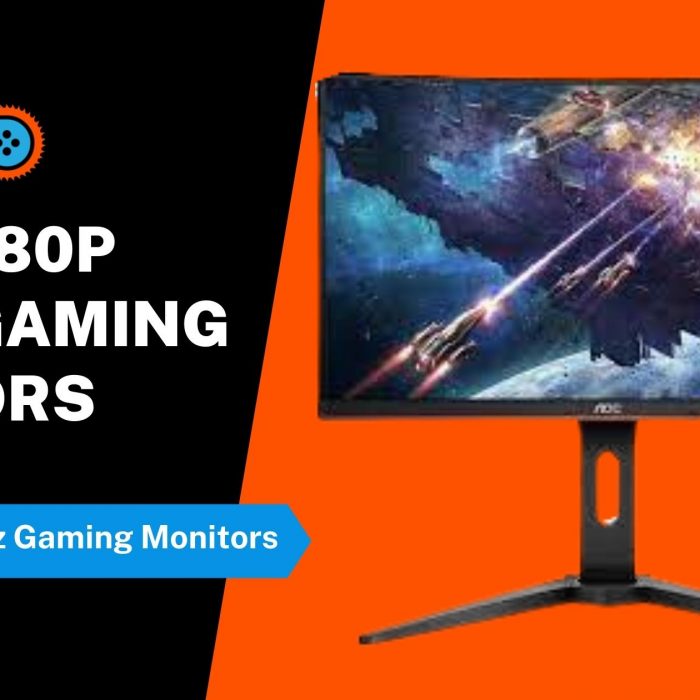
Dive into the world of gaming monitors designed specifically for console gaming. From choosing the right monitor to optimizing your setup, this guide covers everything you need to know to elevate your gaming experience.
When it comes to console gaming, the monitor you use can make a significant difference in your overall enjoyment. Let’s explore the best options available to take your gaming sessions to the next level.
Overview of Gaming Monitors for Console Gaming
When it comes to console gaming, choosing the right gaming monitor can significantly impact the overall gaming experience. A high-quality gaming monitor can enhance visuals, reduce input lag, and provide a smoother gameplay experience for console gamers.
Key Features to Consider
- Resolution: Look for a monitor with at least 1080p resolution for crisp and clear visuals.
- Refresh Rate: Opt for a monitor with a high refresh rate (e.g., 120Hz or 144Hz) to reduce motion blur and provide smoother gameplay.
- Response Time: Choose a monitor with a low response time (e.g., 1ms) to minimize ghosting and motion blur.
- Input Lag: Consider a monitor with low input lag to ensure quick and responsive gameplay.
- Adaptive Sync: Look for monitors with technologies like FreeSync or G-Sync to prevent screen tearing and stuttering.
Enhancing the Gaming Experience
Gaming monitors enhance the gaming experience on consoles by providing better image quality, faster response times, and smoother gameplay. With features like high refresh rates and low input lag, gaming monitors can make a significant difference in competitive gaming scenarios, allowing players to react faster and have a more immersive gaming experience.
Types of Gaming Monitors for Console Gaming
When it comes to gaming monitors for console gaming, there are different types available, each with its own set of features and specifications to consider.
TN, IPS, VA Panels
There are three main types of panels used in gaming monitors: TN (Twisted Nematic), IPS (In-Plane Switching), and VA (Vertical Alignment). Each panel type has its own advantages and disadvantages:
- TN Panels:TN panels are known for their fast response times, making them ideal for fast-paced gaming. However, they typically have narrower viewing angles and less accurate color reproduction compared to IPS and VA panels.
- IPS Panels:IPS panels offer better color accuracy and wider viewing angles than TN panels. They are great for immersive gaming experiences but may have slightly slower response times.
- VA Panels:VA panels provide high contrast ratios and deep blacks, making them suitable for dark-themed games. They offer a balance between the fast response times of TN panels and the color accuracy of IPS panels.
Resolution Options
Resolution is an important factor to consider when choosing a gaming monitor for console gaming. The most common resolution options available for gaming monitors used in console gaming are:
- 1080p (Full HD): This resolution is widely supported by consoles and provides a good balance between performance and visual quality.
- 1440p (Quad HD): Higher resolution than 1080p, offering sharper images and more details for a more immersive gaming experience.
- 4K (Ultra HD): 4K resolution provides the highest level of detail and clarity, but it may require a more powerful console to fully utilize its capabilities.
Refresh Rates and Response Times
Refresh rates and response times are crucial aspects of gaming monitors for console gaming, as they can significantly impact the overall gaming experience:
- Refresh Rates:A higher refresh rate, such as 120Hz or 144Hz, allows for smoother gameplay and reduces motion blur. It is especially beneficial for fast-paced games.
- Response Times:Lower response times, measured in milliseconds (ms), result in less motion blur and ghosting during fast movements in games. Aim for a response time of 5ms or lower for optimal performance.
Best Gaming Monitors for Console Gaming Brands
When it comes to choosing the best gaming monitors for console gaming, there are several top brands that stand out in the market. These brands are known for producing high-quality monitors that cater to the specific needs of console gamers.
Let’s take a closer look at some of the popular brands and the features they offer in their gaming monitors for console gaming.
Sony
Sony is a well-known brand in the gaming industry, and they offer a range of gaming monitors that are specifically designed for console gaming. Their monitors are known for their high-quality display, fast response times, and advanced features like HDR support.
Sony monitors are popular among console gamers for their reliability and performance.
ASUS
ASUS is another popular brand that produces gaming monitors tailored for console gaming. Their monitors are praised for their high refresh rates, low input lag, and adaptive sync technologies. ASUS gaming monitors often come with customizable gaming modes and ergonomic designs to enhance the gaming experience for console players.
BenQ
BenQ is a brand that is synonymous with gaming monitors, and they have a strong presence in the console gaming market. BenQ monitors are known for their color accuracy, fast response times, and eye-care technologies. Console gamers appreciate the visual clarity and smooth gameplay offered by BenQ monitors, making them a popular choice in the gaming community.
LG
LG is a reputable brand that offers a variety of gaming monitors suitable for console gaming. LG monitors are praised for their vibrant colors, wide viewing angles, and sleek designs. LG’s gaming monitors often feature advanced technologies like FreeSync and G-Sync compatibility, ensuring a smooth and immersive gaming experience for console players.
Dell
Dell is a trusted brand that provides gaming monitors with excellent performance and reliability for console gaming. Dell monitors are known for their high resolution, fast refresh rates, and adjustable stands for ergonomic comfort. Console gamers appreciate the durability and versatility of Dell monitors, making them a top choice for gaming setups.
Factors to Consider When Choosing a Gaming Monitor for Console Gaming
When selecting the best gaming monitor for console gaming, there are several key factors to consider to ensure an optimal gaming experience.
Connectivity Options
One of the most important factors to consider is the connectivity options offered by the gaming monitor. Look for monitors that have HDMI, DisplayPort, and USB ports to ensure compatibility with your gaming console and other devices.
Screen Size and Curvature
The screen size and curvature of a gaming monitor can significantly impact your gaming experience. A larger screen size provides a more immersive gaming experience, while a curved monitor can enhance your field of view and reduce glare.
Setting Up and Optimizing a Gaming Monitor for Console Gaming
When it comes to console gaming, setting up and optimizing your gaming monitor is crucial to ensure the best gaming experience possible. By following some best practices and making the right adjustments, you can enhance visuals and overall performance.
Calibrating Your Gaming Monitor
Calibrating your gaming monitor is essential to achieve optimal visual quality. Make sure to adjust settings such as brightness, contrast, and color saturation to your preference. You can use calibration tools or follow online guides to help you fine-tune these settings.
Adjusting Display Settings
Depending on the game you are playing, it’s important to optimize the display settings on your gaming monitor accordingly. For fast-paced games, you may want to adjust settings for faster response times and smoother motion. For visually stunning games, focus on enhancing color accuracy and contrast for a more immersive experience.
Optimizing for Different Games
Each game may require different display settings to achieve the best visuals and performance. Take the time to experiment with settings like resolution, refresh rate, and picture mode to find what works best for each game you play. Some games may benefit from higher refresh rates, while others may look better with specific color settings.
Mobile App Development
Mobile app development is a rapidly evolving field that requires staying up-to-date with the latest trends and technologies. From innovative features to enhanced user experiences, developers are constantly looking for ways to improve their mobile apps to meet the demands of users in a highly competitive market.
Latest Trends and Technologies in Mobile App Development
- Integration of Artificial Intelligence (AI) and Machine Learning (ML) for personalized experiences and predictive analytics.
- Augmented Reality (AR) and Virtual Reality (VR) for immersive and interactive user experiences.
- Internet of Things (IoT) integration to connect multiple devices and provide seamless experiences.
- 5G technology for faster data speeds and lower latency, enabling more complex and responsive applications.
Importance of User Experience (UX) Design in Mobile App Development
User experience design plays a crucial role in the success of a mobile app. A well-designed UX can enhance user satisfaction, engagement, and retention. It involves creating intuitive interfaces, smooth navigation, and visually appealing designs to provide a seamless experience for users.
Tips for Optimizing Mobile Apps for Different Platforms and Devices
- Adopt responsive design principles to ensure compatibility across various screen sizes and resolutions.
- Optimize performance by reducing app size, improving loading times, and minimizing battery consumption.
- Utilize platform-specific features and design guidelines to deliver a native experience on each platform.
- Conduct thorough testing on different devices and operating systems to identify and fix any compatibility issues.
Software Development
Software development involves a structured process known as the software development life cycle, which consists of several phases from planning to deployment. Let’s delve into the details of these phases and the key components involved in software development.
Software Development Life Cycle Phases
- Requirements Gathering: In this phase, the project requirements are gathered from stakeholders to understand the scope and objectives of the software.
- Design: The design phase involves creating a blueprint for the software based on the gathered requirements, outlining the architecture, modules, and functionalities.
- Implementation: During implementation, the actual coding and programming of the software take place, transforming the design into a functioning product.
- Testing: Testing is a critical phase where the software is rigorously tested for bugs, errors, and performance issues to ensure it meets the requirements and functions as intended.
- Deployment: Once the software passes testing, it is deployed to the production environment for end-users to access and utilize.
- Maintenance: The maintenance phase involves regular updates, bug fixes, and enhancements to ensure the software remains optimal and up-to-date.
Popular Programming Languages and Frameworks
- Programming Languages: Some popular programming languages used in software development include Java, Python, C++, JavaScript, and Ruby.
- Frameworks: Frameworks like React, Angular, Node.js, and Django are commonly used to streamline development and enhance efficiency.
Significance of Testing and Debugging
Testing and debugging play a crucial role in software development projects to ensure the quality, functionality, and reliability of the software. Testing helps identify and rectify bugs, errors, and issues that could impact the user experience, while debugging involves troubleshooting and fixing issues in the code to enhance performance and stability.
Cybersecurity
In today’s digital age, cybersecurity plays a vital role in protecting sensitive information and data from cyber threats. As technology advances, so do the tactics of cybercriminals, making it crucial for individuals and businesses to prioritize cybersecurity measures to safeguard their digital assets.
Importance of Cybersecurity
Cybersecurity is essential to prevent unauthorized access, data breaches, identity theft, and other malicious activities that can have devastating consequences. It ensures the confidentiality, integrity, and availability of information, maintaining trust and credibility in the digital realm.
Common Cybersecurity Threats and Protection Strategies
- Malware:Malicious software designed to damage or gain unauthorized access to systems. Protect against it by installing antivirus software, keeping systems updated, and avoiding suspicious links or downloads.
- Phishing:Fraudulent attempts to obtain sensitive information through deceptive emails or messages. Stay cautious of unsolicited requests for personal information and verify the legitimacy of sources before sharing any data.
- Ransomware:Encrypts data and demands payment for decryption. Backup data regularly, use security software, and be cautious of email attachments or links from unknown sources.
Tips for Enhancing Cybersecurity
- Strong Passwords:Use complex passwords and enable multi-factor authentication for an added layer of security.
- Regular Updates:Keep software, operating systems, and security patches up to date to address vulnerabilities.
- Employee Training:Educate staff on cybersecurity best practices to minimize human error and enhance overall security posture.
- Network Security:Implement firewalls, encryption, and secure Wi-Fi networks to protect against unauthorized access.
Mobile Technology
The world of mobile technology has undergone significant evolution over the years, transforming the way we communicate, work, and entertain ourselves. From the bulky feature phones of the past to the sleek smartphones of today, mobile devices have become an indispensable part of our daily lives.
Evolution of Mobile Technology
- Mobile technology started with basic voice calls and text messaging on feature phones.
- The introduction of smartphones revolutionized the industry, offering advanced features like internet browsing, apps, and multimedia capabilities.
- Mobile technology continued to evolve with the integration of touchscreens, high-resolution displays, powerful processors, and advanced cameras.
- The rise of 4G networks enabled faster data speeds and better connectivity for mobile users.
Impact of 5G Technology
- 5G technology has the potential to revolutionize mobile devices and applications by offering significantly faster data speeds and lower latency.
- 5G can enable technologies like augmented reality (AR), virtual reality (VR), and Internet of Things (IoT) to reach their full potential on mobile devices.
- With 5G, mobile users can experience smoother streaming, quicker downloads, and seamless connectivity across various devices.
Future Trends of Mobile Technology
- Artificial Intelligence (AI) integration in mobile devices to enhance user experience and personalization.
- Foldable phones and flexible displays that offer innovative form factors for users.
- Enhanced security features like biometric authentication and secure enclaves to protect user data.
- Advancements in battery technology for longer-lasting and faster-charging mobile devices.
Technology & Software
Technology and software are intricately connected in modern applications, with advancements in technology driving innovations in software development. This intersection plays a crucial role in shaping the software industry and pushing boundaries in terms of capabilities and functionalities.
Impact of Artificial Intelligence
Artificial Intelligence (AI) has revolutionized the software industry by enabling the development of intelligent applications that can learn, adapt, and make decisions autonomously. From chatbots to personalized recommendations, AI-powered software is transforming user experiences and enhancing efficiency.
- AI algorithms enable predictive analytics, helping businesses make data-driven decisions and optimize processes.
- Natural Language Processing (NLP) algorithms enhance communication between users and software applications, improving user interactions.
- Machine learning algorithms power recommendation systems in e-commerce platforms, increasing sales and customer satisfaction.
Impact of Internet of Things (IoT)
The Internet of Things (IoT) has opened up new possibilities for software development by connecting devices and enabling them to communicate and share data. This connectivity has led to the development of smart applications that can automate tasks and provide real-time insights.
- IoT devices generate massive amounts of data, requiring software solutions for data processing, storage, and analysis.
- IoT platforms enable remote monitoring and control of devices, enhancing operational efficiency and reducing maintenance costs.
- IoT applications in healthcare, smart homes, and industrial settings are revolutionizing industries and improving quality of life.
Web Development
Web development involves creating and maintaining websites and web applications. It encompasses various aspects such as design, code, and functionality to ensure a seamless user experience. There are three key components of web development: front-end, back-end, and full-stack development.
Key Components of Web Development
Front-end development focuses on the user interface and user experience of a website. It involves using languages like HTML, CSS, and JavaScript to create visually appealing and interactive web pages that users can navigate easily.Back-end development deals with the server-side of a website.
It involves working with databases, servers, and applications to ensure the website functions properly. Developers use languages like PHP, Python, Ruby, or Java to build the back-end of a website.Full-stack development combines both front-end and back-end development. Full-stack developers have knowledge and skills in both areas, allowing them to work on all aspects of a website or web application.
Popular Web Development Tools and Frameworks
- Some popular front-end frameworks include Bootstrap, React, and Angular, which help developers build responsive and interactive web applications.
- For back-end development, tools like Node.js, Django, and Ruby on Rails are commonly used to create robust and scalable web applications.
- Integrated development environments (IDEs) such as Visual Studio Code, Sublime Text, and Atom are essential tools for web developers to write, edit, and debug code efficiently.
Responsive Design and Web Accessibility
Responsive design ensures that websites adapt to different screen sizes and devices, providing a seamless user experience across desktops, tablets, and smartphones. It is crucial for modern web development to cater to the diverse ways users access websites.Web accessibility focuses on making websites usable for people with disabilities.
This includes providing alternative text for images, using proper heading structures, and ensuring keyboard navigation, so all users can access and interact with the content on a website.
Networking
Computer networking is the practice of connecting computers and other devices together to share resources and information. It involves the use of hardware and software technologies to create and manage communication systems.
Fundamentals of Computer Networking
- Network Components: These include devices like routers, switches, and cables that enable data to be transmitted between computers.
- Network Protocols: These are rules and conventions that dictate how data is transmitted and received over a network.
- IP Addressing: IP addresses are unique identifiers assigned to devices on a network to enable communication.
Types of Networks and Their Applications
- Local Area Network (LAN): A network that connects devices in a limited geographical area, commonly used in homes and offices.
- Wide Area Network (WAN): A network that spans a large geographical area, often used to connect multiple LANs across different locations.
- Wireless Networks: Networks that use radio waves to connect devices, providing flexibility and mobility.
Tips for Optimizing Network Performance and Security
- Use strong encryption methods to secure data transmission over the network.
- Regularly update network hardware and software to patch vulnerabilities and improve performance.
- Implement network monitoring tools to identify and address performance issues proactively.
Gaming Hardware
When it comes to console gaming, having the right gaming hardware can make a significant difference in your overall gaming experience. From controllers to headsets to gaming chairs, each piece of hardware plays a crucial role in enhancing gameplay and immersion.
Latest Trends in Gaming Hardware
As technology continues to advance, the gaming hardware market is constantly evolving with new trends and innovations. Some of the latest trends in gaming hardware include:
- Wireless and customizable controllers for increased flexibility and personalization
- High-performance gaming headsets with surround sound technology for immersive audio experience
- Gaming chairs with ergonomic designs for improved comfort during long gaming sessions
- RGB lighting and customizable aesthetics to match your gaming setup
Impact of Hardware Components on Gaming Performance
The hardware components you choose can have a direct impact on your gaming performance. For example, a high-quality gaming monitor with fast refresh rates and low input lag can provide a smoother and more responsive gaming experience. Similarly, a gaming headset with clear audio and noise-cancelling features can give you a competitive edge in multiplayer games.
Comparison of Gaming Hardware Options
When it comes to gaming hardware, there are a plethora of options available in the market, each catering to different preferences and budgets. From renowned brands like Logitech, Razer, SteelSeries, to more niche companies, gamers have a wide range of choices to suit their individual needs.
Technology
Technology plays a crucial role in shaping various industries, revolutionizing the way we live and work. From healthcare to transportation, technology has transformed the world in remarkable ways.
Impact of Emerging Technologies
- Artificial Intelligence (AI) is revolutionizing industries by automating processes and providing valuable insights through data analysis.
- Internet of Things (IoT) is connecting devices and enabling smart ecosystems for more efficient operations and improved user experiences.
- Virtual Reality (VR) and Augmented Reality (AR) are changing the way we interact with digital content, creating immersive experiences in entertainment, education, and more.
Evolution of Technology
- Advancements in computing power have led to faster processors, increased storage capacities, and enhanced performance in devices.
- Mobile technology has evolved rapidly, with smartphones becoming essential tools for communication, entertainment, and productivity.
- Cloud computing has revolutionized the way businesses store and access data, offering scalability, flexibility, and cost-efficiency.
Smart Technology
Smart technology refers to devices and systems that are equipped with advanced capabilities like artificial intelligence, machine learning, and connectivity to enhance efficiency and convenience in everyday life. Integrating smart technology into various aspects of our lives can bring about a wide range of benefits, making tasks easier, faster, and more automated.
Let’s explore the concept further and delve into its applications.
Applications of Smart Technology
Smart technology finds applications in various fields, such as home automation, healthcare, transportation, and entertainment. Here are some common examples of smart technology devices and their functionalities:
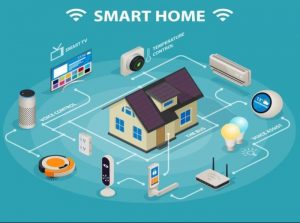
- Smart Home Devices: Devices like smart thermostats, lighting systems, and security cameras can be controlled remotely through a smartphone app, allowing users to monitor and adjust settings from anywhere.
- Wearable Technology: Smartwatches and fitness trackers can track health metrics, provide notifications, and even make payments, offering convenience and personalized insights for users.
- Smart Assistants: Virtual assistants like Amazon Alexa and Google Assistant utilize artificial intelligence to respond to voice commands, manage schedules, provide information, and control smart home devices.
- Smart Appliances: Appliances like refrigerators, washing machines, and ovens can be connected to the internet for remote monitoring, energy efficiency, and automated functions based on usage patterns.
Benefits of Smart Technology Integration
Integrating smart technology into everyday life brings numerous benefits, including increased convenience, improved efficiency, enhanced safety, and cost savings. By automating routine tasks, optimizing energy consumption, and providing personalized experiences, smart technology enhances the overall quality of life for users.
End of Discussion
In conclusion, selecting the best gaming monitor for console gaming is a crucial decision for avid gamers. By considering the key features and brands discussed in this guide, you can make an informed choice that enhances your gaming experience. Level up your gaming setup with the right monitor and immerse yourself in stunning visuals and smooth gameplay.
FAQs
What factors should I consider when choosing a gaming monitor for console gaming?
When selecting a gaming monitor for console gaming, factors such as resolution, refresh rates, response times, and connectivity options play a crucial role in determining the overall gaming experience.
Which brands are known for producing high-quality gaming monitors for console gaming?
Popular brands like ASUS, BenQ, and LG are well-regarded for their high-quality gaming monitors designed specifically for console gaming.
How can I optimize the display settings on a gaming monitor for console gaming?
Optimizing display settings involves calibrating the monitor, adjusting brightness, contrast, and color settings, and ensuring that the settings are tailored to the specific game being played.