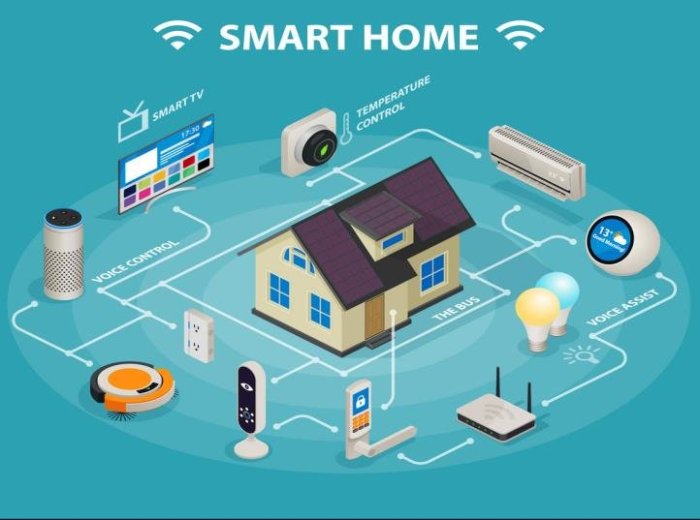
Embark on a journey through the world of smart appliances integration into a home network. Discover the endless possibilities and benefits that come with connecting your devices in this informative guide.
Delve deeper into the step-by-step process, software development, cybersecurity considerations, and much more as we explore the realm of smart home technology.
Overview of Smart Appliances Integration
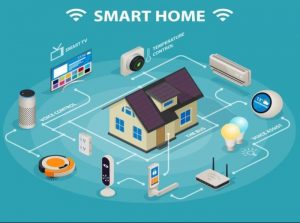
Integrating smart appliances into a home network has become increasingly popular in modern households. The ability to connect and control various devices through a centralized system offers a new level of convenience and efficiency in daily life.
Importance of Integrating Smart Appliances
Smart appliances play a crucial role in creating a connected ecosystem within the home. By integrating these devices into a network, users can remotely monitor and manage their appliances, leading to improved energy efficiency and cost savings.
Benefits of Connected Network of Smart Appliances
- Enhanced Convenience: With a connected network, users can control their appliances from anywhere using their smartphones or voice commands, making daily tasks easier and more streamlined.
- Increased Efficiency: Smart appliances can optimize their performance based on user preferences and usage patterns, resulting in energy savings and reduced environmental impact.
- Improved Safety and Security: Integration of smart appliances allows for real-time monitoring and alerts, ensuring the safety of the home and its occupants.
Convenience and Efficiency of Smart Appliances
Smart appliances are designed to simplify daily routines and enhance the overall quality of life. From adjusting settings remotely to receiving notifications about maintenance issues, these devices provide a hassle-free and efficient way to manage household tasks.
Setting Up Smart Appliances
Integrating smart appliances into your home network can enhance convenience and efficiency. Follow these steps to ensure a smooth setup process.
Connecting Smart Appliances to a Home Network
Before you begin, make sure your smart appliances meet the compatibility requirements for integration. Check for Wi-Fi connectivity and compatibility with your home network. Here’s a step-by-step guide:
- Download the corresponding app for your smart appliance on your smartphone or tablet.
- Ensure your smart appliance is powered on and in setup mode.
- Open the app and follow the on-screen instructions to connect the appliance to your Wi-Fi network.
- Enter your network credentials when prompted and wait for the connection to be established.
- Once connected, you can start controlling your smart appliance remotely through the app.
Compatibility Requirements for Smart Appliance Integration
When integrating different types of smart appliances into your home network, it’s crucial to consider their compatibility. Here are some key factors to keep in mind:
- Ensure that all smart appliances support the same communication protocols, such as Wi-Fi, Zigbee, or Z-Wave, to facilitate seamless integration.
- Check if your home network can support the additional devices and traffic generated by the smart appliances.
- Verify if the smart appliances are compatible with the smart hub or controller you are using to manage them.
Common Challenges and Troubleshooting Tips
During the setup process, you may encounter some challenges. Here are some common issues and troubleshooting tips:
-
Ensure that your Wi-Fi signal is strong enough for the smart appliance to connect reliably.
-
Restart your smart appliance and the app, as well as your router, to resolve connectivity issues.
-
Check for firmware updates for your smart appliances to address any bugs or compatibility issues.
Mobile App Development for Smart Appliances
Mobile apps play a crucial role in the integration and control of smart appliances within a home network. These applications provide users with the convenience of managing their devices remotely and monitoring their performance in real-time.
Role of Mobile Apps in Controlling and Monitoring Smart Appliances
Mobile apps act as a centralized hub for users to interact with their smart appliances. Through these applications, users can remotely control settings, monitor energy consumption, receive alerts, and even schedule tasks for their devices. This level of accessibility enhances user convenience and efficiency in managing their smart appliances.
Features and Functionalities of Mobile Apps for Smart Devices
- Remote Control: Users can adjust settings and operate their smart appliances from anywhere using their mobile devices.
- Real-time Monitoring: Mobile apps provide users with instant updates on the status and performance of their devices.
- Energy Management: Users can track energy usage, set energy-saving modes, and optimize the efficiency of their smart appliances.
- Automation: Mobile apps allow users to create schedules, triggers, and automation routines for their devices to operate seamlessly.
- Notifications: Users receive alerts and notifications regarding maintenance, updates, or any issues with their smart appliances.
Importance of User-Friendly Interfaces in Smart Appliance Mobile Apps
User-friendly interfaces are essential in smart appliance mobile apps to ensure a seamless user experience. Intuitive layouts, clear navigation, and simple controls enable users to easily interact with their devices and access the full range of features offered by the application.
A well-designed user interface enhances usability, increases user satisfaction, and promotes the effective management of smart appliances within a home network.
Software Development for Smart Appliances
Integrating smart appliances into a home network involves various software aspects that play a crucial role in ensuring seamless connectivity and functionality.
Customization Options through Software Development
Software development for smart devices offers a range of customization options that allow users to personalize their smart appliances according to their preferences. Some of the common customization options include:
- Setting up schedules for appliance usage
- Creating personalized settings for different users in the household
- Integrating third-party services and applications
- Remote access and control through mobile apps or web interfaces
Potential for Future Updates and Enhancements
Software updates and enhancements for smart appliances hold the potential to bring about significant improvements in functionality, performance, and security. Some of the future possibilities include:
- Integrating artificial intelligence for predictive maintenance and energy optimization
- Enhancing connectivity with other smart devices for seamless automation
- Improving user interfaces for better user experience and ease of use
- Implementing advanced security features to protect user data and privacy
Cybersecurity Considerations
As smart appliances become more prevalent in homes, it is crucial to address the potential cybersecurity risks that come with integrating these devices into a home network. Cyber threats are constantly evolving, and without proper security measures, smart appliances can become vulnerable to attacks.
Identifying Security Risks
- Unauthorized access: Hackers may gain access to smart appliances, compromising personal data and privacy.
- Malware attacks: Malicious software can be used to infect smart devices, leading to data breaches or device malfunctions.
- Weak encryption: Inadequate encryption methods can make it easier for cybercriminals to intercept data transmitted between devices and the network.
Importance of Cybersecurity Measures
- Protecting personal information: Implementing strong security measures helps safeguard sensitive data stored in smart appliances.
- Preventing unauthorized control: Security measures can prevent hackers from taking control of smart devices and using them for malicious purposes.
- Maintaining network integrity: Securing smart appliances helps maintain the overall security of the home network, preventing unauthorized access to other connected devices.
Tips for Securing Smart Appliances
- Change default passwords: Always change default passwords on smart appliances to unique, strong passwords to prevent unauthorized access.
- Update firmware regularly: Keep smart appliances up to date with the latest firmware updates to patch security vulnerabilities.
- Use a firewall: Install a firewall to monitor incoming and outgoing traffic to detect and block suspicious activity.
- Enable two-factor authentication: Add an extra layer of security by enabling two-factor authentication for accessing smart appliances.
Mobile Technology and Smart Appliances
Mobile technology has played a significant role in shaping the development of smart appliances in modern households. With the increasing capabilities of mobile devices, smart appliances have become more sophisticated and integrated into smart home ecosystems. Mobile apps and software have enabled users to control and monitor their appliances remotely, adding convenience and efficiency to everyday tasks.
Advancements in Mobile Technology
- Mobile technology advancements, such as high-speed internet connectivity, Bluetooth, and Wi-Fi capabilities, have paved the way for seamless communication between smart appliances and mobile devices.
- Integration of voice assistants like Siri, Alexa, and Google Assistant has further enhanced the user experience by enabling hands-free control of smart appliances.
- Mobile sensors and GPS technology have allowed for location-based services, allowing users to automate tasks based on their proximity to home or specific rooms.
Role of Mobile Devices in Controlling and Monitoring Smart Appliances
- Mobile devices serve as a central hub for controlling and monitoring smart appliances, providing users with real-time updates and notifications on appliance status.
- Through mobile apps, users can schedule tasks, adjust settings, and receive alerts from their smart appliances, even when away from home.
- Mobile devices enable users to track energy consumption, monitor usage patterns, and optimize appliance settings for efficiency and cost savings.
Integration of Mobile Technology with Smart Home Ecosystems
- Mobile technology acts as a bridge connecting various smart devices within a home ecosystem, allowing for seamless communication and interoperability.
- Smart home platforms and ecosystems leverage mobile technology to create a unified interface for controlling multiple devices, including smart appliances, lighting, security systems, and more.
- Mobile devices enable users to create personalized routines, automation sequences, and scenes to enhance the overall smart home experience and make daily tasks more convenient and efficient.
Technology & Software Trends in Smart Appliances
In the rapidly evolving landscape of smart appliances, keeping up with the latest technology and software trends is crucial to understanding the future of home automation. Let’s delve into the current trends shaping smart appliances and their integration into modern homes.
Artificial Intelligence and Machine Learning Integration
One of the most significant trends in smart appliances is the integration of artificial intelligence (AI) and machine learning algorithms. These technologies enable appliances to learn user preferences, optimize settings, and even anticipate user needs. For example, smart refrigerators can suggest recipes based on available ingredients or adjust temperatures to preserve food better, all thanks to AI and machine learning capabilities.
Internet of Things (IoT) Integration
The rise of IoT integration in smart appliances allows for seamless connectivity and communication between devices. This interconnected ecosystem enables users to control and monitor their appliances remotely through a centralized hub or smartphone app. IoT integration not only enhances convenience but also opens up possibilities for energy efficiency and automation in the smart home.
Web Development for Smart Home Networks
Web development plays a crucial role in creating interconnected smart home networks by enabling the communication and control of smart appliances through the internet. This technology allows users to access and manage their devices remotely, enhancing convenience and efficiency in their daily lives.
Web-based Control Interfaces for Smart Appliances
Web development opens up the potential for web-based control interfaces that offer users a centralized platform to monitor and control their smart appliances. Through a web portal or application, users can adjust settings, schedule tasks, and receive real-time updates from their connected devices.
This seamless integration streamlines the user experience and provides a more intuitive way to interact with smart appliances.
- Web-based interfaces offer a user-friendly and accessible way to manage multiple smart devices from a single platform.
- Users can remotely control their appliances through any web-enabled device, such as a computer, tablet, or smartphone.
- Web development allows for customization and personalization of control interfaces to suit individual preferences and needs.
Integration of Web Technologies for Enhanced User Experience
By integrating web technologies into smart appliances, developers can enhance the user experience by providing seamless connectivity and advanced features. Web development enables the creation of interactive dashboards, data visualization tools, and personalized notifications that improve the functionality and usability of smart devices.
- Web technologies like APIs (Application Programming Interfaces) facilitate communication between smart appliances and external platforms, enabling data sharing and interoperability.
- Developers can implement responsive design principles to ensure that web interfaces are optimized for various screen sizes and devices, enhancing accessibility and usability.
- Web development allows for continuous updates and improvements to control interfaces, ensuring that users have access to the latest features and enhancements.
Networking Infrastructure for Smart Appliances
When integrating smart appliances into a home network, having a robust networking infrastructure is crucial for ensuring seamless connectivity and optimal performance.
Types of Networking Technologies
- Wi-Fi: Wi-Fi is one of the most common networking technologies used for smart home devices. It provides wireless connectivity and allows for easy integration with existing home networks.
- Zigbee: Zigbee is a low-power, low-data rate wireless technology that is often used for smart home devices. It is known for its reliability and ability to create a mesh network for improved coverage.
- Z-Wave: Z-Wave is another wireless technology commonly used in smart home setups. It operates on a different frequency band than Wi-Fi and can support a large number of devices on a single network.
Importance of Robust Network Infrastructure
A strong network infrastructure is essential for smart appliances to communicate effectively with each other and with the central control hub. It ensures that commands are transmitted quickly and without interruptions, leading to a seamless user experience.
Scalability and Compatibility
- Scalability: A well-designed network infrastructure should be scalable to accommodate new smart devices as you expand your smart home ecosystem. This includes having sufficient bandwidth and network capacity to support additional devices.
- Compatibility: Ensure that your network infrastructure is compatible with the networking technologies used by your smart appliances. This will prevent compatibility issues and ensure smooth operation of all devices.
Gaming Hardware and Smart Technology Integration
Integrating gaming hardware with smart appliances can elevate the overall user experience by combining entertainment and convenience in a home network. This fusion allows for seamless interaction between gaming peripherals and smart devices, creating a more immersive and streamlined environment.
Let’s delve deeper into the possibilities of merging gaming technology with smart home automation.
Enhanced User Experiences
- Smart appliances can sync with gaming consoles to adjust lighting or temperature based on gameplay, enhancing the gaming atmosphere.
- Gaming peripherals like controllers or VR headsets can be integrated with smart devices to control home functions through gestures or voice commands.
- The crossover between gaming technology and smart home automation opens up opportunities for innovative features such as personalized gaming experiences linked to home settings.
Outcome Summary
In conclusion, integrating smart appliances into your home network opens up a world of convenience, efficiency, and innovation. Stay ahead of the curve by embracing the future of smart home technology with these valuable insights.
FAQ Resource
What are the common challenges during the setup process?
Common challenges include compatibility issues, network connectivity problems, and troubleshooting errors during the initial setup.
How do mobile apps enhance the control of smart appliances?
Mobile apps allow users to remotely control and monitor their smart appliances, providing convenience and accessibility from anywhere.
Why is cybersecurity important when integrating smart appliances?
Cybersecurity is crucial to protect your smart devices from potential security risks and ensure your network remains secure from external threats.
What networking technologies support smart home ecosystems?
Technologies such as Wi-Fi, Bluetooth, Zigbee, and Z-Wave are commonly used to support smart home ecosystems and ensure seamless connectivity.
How can gaming hardware enhance smart technology integration?
Gaming hardware can interact with smart appliances to provide immersive user experiences, combining the excitement of gaming with the convenience of smart home automation.