Delving into the realm of the cost of upgrading to the latest mobile technology opens up a world of possibilities and considerations. From brand variations to additional expenses, this topic offers a comprehensive look at what it takes to stay current in the fast-paced world of mobile devices.
As we unravel the layers of expenses and factors influencing the upgrade costs, readers will gain a deeper understanding of the financial implications of staying up-to-date with the latest mobile technology trends.
Cost of Upgrading to the Latest Mobile Technology
When considering upgrading to the latest mobile technology, there are several factors that contribute to the overall cost. These factors can vary depending on the brand and model of the device, as well as any additional expenses that may arise during the upgrade process.
Factors Affecting Cost
- Brand and Model: The cost of upgrading can vary greatly depending on the brand and model of the device. Premium brands tend to have higher price tags for their latest technology.
- Features and Specifications: Devices with more advanced features and specifications will generally come with a higher price point.
- Trade-In Value: If you are trading in your old device, the value you receive can offset some of the cost of the upgrade.
Additional Expenses
Aside from the cost of the new device itself, there are other expenses to consider when upgrading to the latest mobile technology.
- Accessories: Purchasing accessories such as cases, screen protectors, and chargers can add to the overall cost.
- Data Transfer: Transferring data from your old device to the new one may require additional fees if you opt for professional assistance.
- Setup Fees: Some retailers or service providers may charge setup fees for activating your new device and transferring data.
Cost Breakdown Examples
Here are some examples of cost breakdowns for upgrading to different types of mobile technology:
| Device | Cost | Additional Expenses |
|---|---|---|
| iPhone 12 Pro | $999 | $50 for accessories, $25 for data transfer |
| Samsung Galaxy S21 Ultra | $1199 | $30 for accessories, $40 for setup fees |
Mobile App Development
Mobile app development plays a crucial role in enhancing the user experience by providing convenient access to services and information on mobile devices. As more businesses and individuals rely on mobile apps for various purposes, the demand for high-quality, user-friendly apps continues to grow.
Native Apps vs Hybrid Apps
- Native apps are developed for specific platforms, such as iOS or Android, using platform-specific programming languages like Swift or Java. While native apps offer superior performance and user experience, they are more expensive to develop due to the need for separate codebases for each platform.
- Hybrid apps, on the other hand, are built using web technologies like HTML, CSS, and JavaScript. These apps can be deployed across multiple platforms with a single codebase, reducing development costs. However, hybrid apps may not offer the same level of performance and user experience as native apps.
Impact of App Complexity on Development Costs
- The complexity of an app, including features, functionalities, and integrations, directly impacts development costs. More complex apps require more time and resources to develop, leading to higher costs.
- Apps with advanced features like real-time data synchronization, augmented reality, or machine learning capabilities will incur additional costs during development due to the specialized expertise and technologies required.
Trends in Mobile App Development
- One trend influencing the overall cost of mobile app development is the rise of low-code/no-code platforms, which enable rapid app development without extensive coding knowledge. While these platforms can reduce development costs, they may not be suitable for complex or highly customized apps.
- Another trend is the focus on app security and data privacy, with stricter regulations and standards driving up development costs to ensure compliance and protect user data.
Software Development
Software development is a crucial component in the optimization of mobile technology. It involves creating applications and programs that enhance the functionality and user experience of mobile devices. Custom software development for mobile devices allows for tailored solutions that meet specific user needs and business requirements.
Cost Implications of Developing Custom Software for Mobile Devices
Developing custom software for mobile devices can vary in cost depending on the complexity of the project, the level of customization required, and the expertise of the developers. Costs may include hiring skilled developers, purchasing necessary software tools, and ongoing maintenance and updates.
However, investing in custom software can lead to increased efficiency, improved user satisfaction, and a competitive edge in the market.
- Cost considerations for custom software development:
- Initial development costs
- Testing and quality assurance expenses
- Integration with existing systems
- Maintenance and support fees
It is important to carefully assess the cost implications of developing custom software for mobile devices to ensure a return on investment and long-term success.
Popular Software Development Tools Used in Mobile Technology
There are various software development tools used in mobile technology to streamline the development process and create high-quality applications. Some popular examples include:
- Android Studio: An official IDE for Android app development.
- Xcode: An IDE for developing apps for iOS devices.
- React Native: A cross-platform framework for building mobile apps using JavaScript.
- Flutter: Google’s UI toolkit for building natively compiled applications for mobile, web, and desktop from a single codebase.
Relationship Between Software Development and the Overall Cost of Mobile Technology
Software development significantly impacts the overall cost of mobile technology. Custom software development can require a substantial investment but can result in higher quality, better user experience, and increased competitiveness. The choice of software development tools, the complexity of the project, and ongoing maintenance costs all contribute to the total cost of mobile technology.
- Factors influencing the cost of mobile technology:
- Development time and resources
- Integration with other systems and platforms
- Scalability and future updates
- Training and support for users
Cybersecurity
In today’s digital age, cybersecurity plays a crucial role in the process of upgrading to the latest mobile technology. With the increasing sophistication of cyber threats, protecting sensitive data and information on mobile devices has become more important than ever.
Importance of Cybersecurity in Mobile Technology Upgrades
Implementing robust cybersecurity measures for mobile devices is essential to safeguard against potential cyber attacks. This includes securing user data, preventing unauthorized access, and ensuring the integrity of the device and its software.
Costs of Implementing Cybersecurity Measures
- Investing in cybersecurity technologies and solutions can be costly, especially for businesses that need to protect large amounts of data.
- Hiring cybersecurity experts or consultants to assess vulnerabilities and implement security protocols also adds to the overall cost of upgrading mobile technology.
- Regular maintenance and updates to security systems are necessary to stay ahead of emerging threats, further increasing expenses.
Impact of Cybersecurity on Mobile Technology Costs
Cybersecurity directly impacts the overall cost of mobile technology upgrades by adding expenses related to security measures. Failure to adequately protect mobile devices can result in data breaches, financial losses, and damage to a company’s reputation, leading to even higher costs in the long run.
Examples of Cybersecurity Threats
-
Malware
: Malicious software designed to disrupt operations, steal data, or gain unauthorized access to a device.
-
Phishing Attacks
: Deceptive emails or messages that trick users into revealing sensitive information, such as login credentials or financial details.
-
Ransomware
: Software that encrypts data on a device and demands payment for its release, posing a significant threat to both individuals and businesses.
Mobile Technology
Mobile technology is continuously evolving, with new advancements shaping the way we communicate, work, and interact with the digital world. These advancements have a direct impact on the cost of upgrading to the latest mobile technology, as newer features and capabilities often come with a higher price tag.
Let’s delve into the latest advancements in mobile technology and how they influence upgrade costs.
Latest Advancements in Mobile Technology
The latest advancements in mobile technology include the introduction of 5G networks, foldable phones, improved camera capabilities, enhanced biometric security features, and faster processors. These advancements offer users faster data speeds, more immersive experiences, and increased productivity. However, incorporating these new technologies into devices can drive up the cost of upgrading.
Cost Comparison of Upgrading to Different Generations of Mobile Technology
When comparing the costs of upgrading to different generations of mobile technology, it’s important to consider not only the upfront cost of the device but also ongoing expenses such as data plans and accessories. While upgrading to the latest generation may be more expensive initially, it can provide significant benefits in terms of performance, security, and user experience.
Future Trends in Mobile Technology
Looking ahead, future trends in mobile technology such as artificial intelligence, augmented reality, and Internet of Things (IoT) integration are expected to further impact upgrade costs. These technologies have the potential to revolutionize how we use our mobile devices, offering personalized experiences and seamless connectivity.
As these trends continue to develop, the cost of upgrading to the latest mobile technology may fluctuate based on consumer demand and market dynamics.
Technology & Software
In the realm of mobile devices, the intersection between technology and software plays a crucial role in shaping the user experience and driving innovation. Software is the backbone of mobile technology, enabling devices to perform various functions and tasks efficiently.
Software Innovations Driving Mobile Technology Evolution
- Software innovations such as operating system updates, app development frameworks, and security enhancements play a key role in advancing mobile technology.
- These advancements lead to improved performance, enhanced features, and increased compatibility with newer hardware components.
- Developments in artificial intelligence, machine learning, and augmented reality are also influencing the evolution of mobile technology.
Cost Implications of Integrating Cutting-Edge Software with Mobile Technology
- Integrating cutting-edge software with mobile technology often involves significant research and development costs.
- Companies invest in talent, infrastructure, and partnerships to ensure the successful integration of new software features and functionalities.
- Maintenance, updates, and support for complex software systems also contribute to the overall cost of integrating advanced software with mobile devices.
Successful Collaborations Between Technology and Software Companies in the Mobile Industry
- Apple’s partnership with Adobe resulted in the integration of Adobe Creative Cloud software with iOS devices, enabling seamless creative workflows on mobile platforms.
- Google’s collaboration with various software developers has led to the creation of innovative Android apps that leverage the latest mobile technologies.
- Microsoft’s partnership with Qualcomm has paved the way for Windows-powered devices to run on ARM architecture, expanding the capabilities of mobile computing.
Web Development
Web development plays a crucial role in enhancing the functionality of mobile devices by creating mobile-responsive websites that adapt to different screen sizes and resolutions. This ensures a seamless user experience across various devices, including smartphones and tablets.
Costs of Developing Mobile-Responsive Websites
Developing mobile-responsive websites can incur costs related to design, development, testing, and maintenance. These costs vary depending on the complexity of the website, the number of features, and the level of customization required. Additionally, ongoing updates and optimization to ensure compatibility with new devices and browsers can add to the overall expenses.
- Cost of design and development of responsive layouts
- Cost of integrating mobile-specific features and functionalities
- Cost of testing across multiple devices and browsers
- Cost of ongoing maintenance and updates
Investing in mobile-responsive websites is essential to reach a wider audience and provide a seamless user experience on mobile devices.
Influence of Web Development on Mobile Technology Upgrades
Web development significantly influences the cost of upgrading mobile technology by ensuring compatibility with the latest web technologies and standards. As mobile devices evolve, web developers need to adapt websites to leverage new features and functionalities, which can impact the overall cost of upgrading mobile technology.
- Integration of progressive web app (PWA) features for enhanced performance
- Implementation of accelerated mobile pages (AMP) for faster loading speeds
- Incorporation of responsive design principles for optimal user experience
- Utilization of web APIs for seamless integration with mobile apps
Web development practices such as PWA, AMP, responsive design, and web APIs play a crucial role in enhancing the performance and functionality of mobile devices.
Networking
Networking plays a crucial role in enabling seamless connectivity for mobile devices. It involves the infrastructure and technologies that allow devices to communicate with each other and access the internet. Without a reliable network, mobile devices would not be able to function properly or access online services.Setting up and maintaining a reliable mobile network can involve significant costs.
This includes the initial investment in hardware such as routers, switches, and access points, as well as ongoing expenses for maintenance, upgrades, and security measures. Additionally, there are costs associated with data plans, bandwidth, and ensuring network reliability and speed.The networking infrastructure directly impacts the overall cost of mobile technology upgrades.
Upgrading to the latest mobile devices often requires compatible networking technologies to support advanced features and functionalities. This can involve additional expenses for upgrading network hardware, implementing new protocols, and ensuring compatibility with existing systems.Examples of networking technologies that enhance the user experience of mobile devices include:
5G networks
Offering faster speeds and lower latency, 5G networks provide an improved mobile experience for tasks such as streaming high-definition video, online gaming, and real-time communication.
Wi-Fi 6
The latest Wi-Fi standard, Wi-Fi 6, offers increased bandwidth, improved performance in crowded environments, and better power efficiency, enhancing connectivity for mobile devices in homes, offices, and public spaces.
Mesh networking
Mesh networking technology creates a network of interconnected devices that work together to provide seamless coverage and eliminate dead zones, ensuring reliable connectivity for mobile devices throughout an environment.These networking technologies not only improve the performance and reliability of mobile devices but also contribute to the overall cost considerations when upgrading to the latest mobile technology.
Gaming Hardware
Gaming hardware plays a crucial role in the mobile technology industry, providing users with enhanced graphics, faster processing speeds, and a more immersive gaming experience. The advancements in gaming hardware have driven the demand for high-performance mobile devices capable of handling complex gaming applications.
Significance of Gaming Hardware in Mobile Technology
When it comes to upgrading gaming hardware for mobile devices, costs can vary significantly depending on the type of hardware being upgraded. Components such as processors, graphics cards, memory, and storage all contribute to the overall cost of upgrading gaming hardware.
- Processors: Upgrading to a faster processor can improve gaming performance but may come at a higher cost.
- Graphics Cards: Investing in a higher-end graphics card can enhance visual quality and gaming experience, but it can also increase the cost of the upgrade.
- Memory: Increasing RAM capacity can improve multitasking and overall system performance, impacting the cost of upgrading gaming hardware.
- Storage: Upgrading to a larger storage capacity can accommodate more games and files, but it also adds to the total cost of the upgrade.
Influence of Gaming Hardware Advancements on Mobile Technology Upgrades
The advancements in gaming hardware have a direct impact on the cost of mobile technology upgrades. As mobile devices become more powerful and capable of running high-definition games, consumers are willing to invest in premium devices with top-of-the-line gaming hardware.
This drives the manufacturers to constantly innovate and push the boundaries of gaming hardware technology, further influencing the cost of mobile technology upgrades.
Popular Gaming Hardware Accessories Impacting Upgrade Costs
- External Gaming Controllers: Accessories like external gaming controllers enhance the gaming experience on mobile devices but can add to the overall cost of upgrading.
- Gaming Headsets: High-quality gaming headsets with advanced audio features are popular accessories that improve the immersive gaming experience, contributing to the cost of mobile technology upgrades.
- Gaming Keyboards and Mice: For users who prefer a more traditional gaming setup, investing in gaming keyboards and mice can increase the overall cost of upgrading gaming hardware for mobile devices.
Smart Technology
Smart technology plays a crucial role in shaping the future of mobile devices by enabling innovative features and functionalities that enhance user experience and efficiency. Integrating smart technology into mobile devices involves various costs that impact the overall price of upgrading to the latest mobile technology.
Let’s explore how smart technology influences the cost and user experience of mobile devices.
Role of Smart Technology in Mobile Devices
Smart technology in mobile devices includes features like artificial intelligence, machine learning, IoT connectivity, and advanced sensors. These technologies enable personalized user experiences, seamless connectivity, enhanced security, and improved performance. The integration of smart technology requires investment in research, development, and implementation, which contributes to the overall cost of mobile devices.
Costs Associated with Smart Technology Integration
The costs associated with integrating smart technology features into mobile devices include hardware components, software development, testing, certifications, and ongoing maintenance. Additionally, investments in data analytics, cloud services, and cybersecurity are essential to support smart features. These costs significantly impact the pricing of mobile devices and influence the decision-making process for consumers.
Influence of Smart Technology on Upgrading Costs
Smart technology influences the overall cost of upgrading to the latest mobile technology by adding value through advanced features and capabilities. While the initial cost of smart devices may be higher, the long-term benefits in terms of productivity, convenience, and user satisfaction justify the investment.
Consumers are willing to pay a premium for smart technology that enhances their digital experience and meets their evolving needs.
Examples of Smart Technology Applications
- Virtual assistants like Siri, Google Assistant, and Alexa provide voice-activated commands and personalized assistance.
- Smart cameras with facial recognition, object tracking, and AI-powered image processing enhance photography and security features.
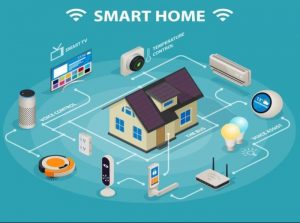
- IoT devices like smart home appliances, wearables, and connected cars offer seamless integration and control through mobile devices.
- Augmented reality (AR) and virtual reality (VR) applications deliver immersive experiences for gaming, entertainment, and education.
Conclusion
In conclusion, the cost of upgrading to the latest mobile technology goes beyond the price tag of a new device. It encompasses various elements such as accessories, data transfer, and setup fees, all of which contribute to the overall investment.
By staying informed about these costs, individuals can make more informed decisions when it comes to upgrading their mobile technology.
FAQ Resource
What factors contribute to the cost of upgrading to the latest mobile technology?
The cost is influenced by factors such as brand, model, additional accessories, data transfer, and setup fees.
How does the cost vary based on the brand and model of the device?
Higher-end brands and models typically come with a higher price tag for upgrading due to their advanced features and technology.
What are some examples of cost breakdowns for upgrading to different types of mobile technology?
Cost breakdowns can vary widely depending on the type of device, ranging from basic smartphones to flagship models with cutting-edge technology.