Mobile app development and cloud integration set the stage for this enthralling narrative, offering readers a glimpse into a story that is rich in detail and brimming with originality from the outset.
As we delve into the intricacies of mobile app development and cloud integration, a world of innovation and possibilities unfolds before us.
Mobile App Development
Mobile app development is the process of creating software applications that are designed to run on mobile devices, such as smartphones and tablets. This involves a combination of designing the user interface, developing the functionality, and testing the app to ensure it works properly.User experience (UX) is a critical aspect of mobile app development.
A well-designed app that is intuitive and easy to use can lead to increased user satisfaction and retention. User experience encompasses everything from the visual design to the navigation flow within the app.
Native vs. Hybrid App Development
When it comes to mobile app development, developers have the option to choose between native and hybrid app development approaches. Native apps are built specifically for a particular platform, such as iOS or Android, using platform-specific programming languages. On the other hand, hybrid apps are developed using web technologies like HTML, CSS, and JavaScript, and then wrapped in a native container.Native app development offers better performance and access to native features of the device, but it requires separate codebases for different platforms.
Hybrid app development, on the other hand, allows for faster development with a single codebase, but may not offer the same level of performance as native apps.
Challenges in Mobile App Development
Developing a mobile app comes with its own set of challenges. Some common challenges include ensuring compatibility across different devices and screen sizes, optimizing performance for slower internet connections, and addressing security concerns to protect user data. Additionally, keeping up with the rapid pace of technological advancements and evolving user expectations can pose challenges for developers.
Software Development
Software development is the process of creating, designing, deploying, and maintaining software applications. It involves a series of steps and methodologies to ensure the final product meets the requirements and functions effectively.
Software Development Methodologies
Software development methodologies are frameworks used to structure, plan, and control the process of developing software. Some common methodologies include:
- Waterfall: A linear and sequential approach where each phase must be completed before moving to the next. It is rigid but provides a clear structure.
- Agile: An iterative and flexible approach that focuses on incremental development, collaboration, and adaptability to changes.
Role of Testing in Software Development
Testing in software development is crucial to ensure the quality, functionality, and reliability of the software. It involves identifying defects, errors, and verifying that the software meets the specified requirements.
Significance of Version Control
Version control is essential in software development to manage changes, track revisions, and collaborate with team members effectively. It allows developers to work on the same codebase without conflicts and ensures a systematic approach to development.
Agile vs. Waterfall
- Agile methodology is more adaptive, responsive to changes, and promotes collaboration among team members.
- Waterfall methodology is sequential, structured, and requires detailed planning before implementation.
- Agile is suitable for projects with evolving requirements, while Waterfall is ideal for projects with fixed and well-defined requirements.
Cybersecurity
In the realm of mobile app development, cybersecurity plays a crucial role in ensuring the protection of user data, maintaining the integrity of the application, and safeguarding against potential cyber threats.
Importance of Cybersecurity in Mobile App Development
Cybersecurity is essential in mobile app development to prevent unauthorized access, data breaches, malware attacks, and other security vulnerabilities that can compromise user information and the overall functionality of the application.
Common Cybersecurity Threats in Mobile Applications
- Data breaches: Unauthorized access to sensitive user information.
- Malware attacks: Installation of malicious software that can steal data or disrupt app functionality.
- Phishing scams: Attempts to trick users into providing personal information.
- Insecure data storage: Storing data in an unprotected manner, making it vulnerable to attacks.
- Man-in-the-middle attacks: Interception of data transmissions between the app and servers.
Best Practices for Integrating Cybersecurity Measures in App Development
- Implement encryption for data at rest and in transit to protect user information.
- Regularly update the app with security patches to address vulnerabilities.
- Conduct security testing and code reviews to identify and mitigate potential risks.
- Authenticate users securely to prevent unauthorized access.
Tools and Techniques for Ensuring Cybersecurity in Mobile Apps
- Mobile Device Management (MDM) solutions for securing devices and managing app access.
- Application Security Testing (AST) tools to identify and fix security flaws in the code.
- Use of secure APIs and encryption protocols to protect data during transmission.
- Implementing multi-factor authentication to enhance user security.
Mobile Technology
Mobile technology is constantly evolving, with new trends shaping the way we interact with our devices. The integration of 5G, IoT, and advancements in mobile app development are revolutionizing the digital landscape. Let’s explore some of the latest trends and future prospects in mobile technology.
Impact of 5G on Mobile App Development
G technology is set to significantly impact mobile app development by offering faster speeds, lower latency, and increased bandwidth. This will enable developers to create more complex and immersive apps, such as augmented reality (AR) and virtual reality (VR) experiences.
With 5G, app developers can deliver high-quality content in real-time, opening up new possibilities for innovative applications.
Role of IoT in Mobile Technology
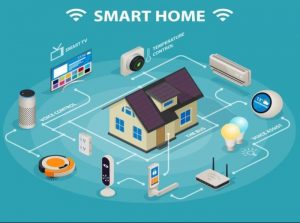
The Internet of Things (IoT) plays a crucial role in mobile technology by connecting devices and enabling seamless communication between them. IoT integration in mobile devices allows for automation, data collection, and remote control of various devices. This connectivity enhances user experience and opens up opportunities for smart homes, wearables, and industrial applications.
Future Prospects of Mobile Technology Advancements
Looking ahead, the future of mobile technology holds exciting prospects with the continued development of 5G, IoT, artificial intelligence (AI), and machine learning (ML). These technologies will drive innovation in areas such as healthcare, transportation, and entertainment, creating a more connected and intelligent world.
As mobile devices become more integrated into our daily lives, we can expect to see even more advanced features and functionalities that enhance productivity and convenience.
Technology & Software
Technology and software development are intricately connected, with advancements in technology often driving innovations in software development. The rapid evolution of technology has led to the creation of more complex software applications that cater to diverse user needs.
Role of AI and Machine Learning
AI and machine learning play a crucial role in software development by enabling developers to create intelligent applications that can analyze data, learn from patterns, and make decisions without human intervention. These technologies are revolutionizing the way software is designed, developed, and deployed.
- AI algorithms can optimize software performance and enhance user experience by predicting user behavior and personalizing recommendations.
- Machine learning models can automate repetitive tasks in the software development process, leading to increased efficiency and productivity.
- AI-powered tools like chatbots and virtual assistants are transforming customer interactions and support services in software applications.
Cloud Computing in Software Development
Cloud computing has transformed the way software is developed, deployed, and maintained by providing scalable infrastructure and resources on a pay-as-you-go basis. This technology allows developers to access powerful computing resources without the need for on-premises hardware.
Cloud computing offers flexibility, scalability, and cost-effectiveness for software development projects of all sizes.
- Developers can collaborate seamlessly on cloud platforms, enabling faster development cycles and improved team productivity.
- Cloud services like AWS, Microsoft Azure, and Google Cloud Platform offer a wide range of tools and services for software development, testing, and deployment.
- Cloud-based DevOps practices streamline the software development lifecycle, ensuring continuous integration, delivery, and deployment of applications.
Benefits of DevOps in Software Development Processes
DevOps practices focus on collaboration, automation, and integration between software development and IT operations teams to deliver high-quality software products faster and more efficiently.
- DevOps accelerates the software development process by automating manual tasks, reducing errors, and improving deployment frequency.
- Continuous integration and continuous deployment (CI/CD) pipelines in DevOps ensure rapid delivery of software updates and enhancements.
- DevOps fosters a culture of collaboration and communication among development, operations, and quality assurance teams, leading to faster innovation and improved customer satisfaction.
Web Development
Web development refers to the process of creating websites or web applications. It involves designing, building, and maintaining websites to ensure they function properly and provide a seamless user experience. Compared to mobile app development, web development typically focuses on creating content that is accessible through web browsers on various devices, rather than being specifically designed for mobile platforms.
Responsive Design
Responsive design is a crucial aspect of web development as it ensures that websites can adapt to different screen sizes and devices. This means that a website will look and function properly regardless of whether it is viewed on a desktop computer, tablet, or smartphone.
By implementing responsive design, web developers can enhance the user experience and reach a wider audience.
- Allows for a consistent user experience across devices
- Improves performance by providing a mobile-friendly website
- Increases accessibility for users on different devices
Role of APIs in Web Development and Cloud Integration
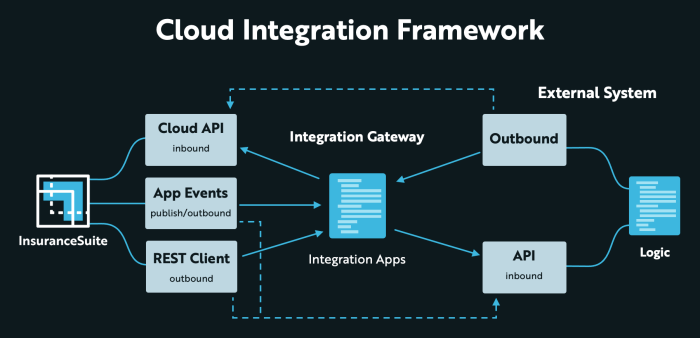
APIs, or Application Programming Interfaces, play a significant role in web development and cloud integration by enabling different software systems to communicate with each other. In web development, APIs allow developers to integrate third-party services or data into their websites, enhancing functionality and user experience.
When it comes to cloud integration, APIs facilitate the connection between on-premises systems and cloud services, enabling seamless data exchange and communication.
- Facilitate integration of external services or data into websites
- Enable communication between different software systems
- Enhance functionality and user experience
Common Web Development Frameworks
There are several popular web development frameworks that developers use to streamline the development process and build robust websites efficiently. These frameworks provide a foundation for creating web applications by offering pre-built components, libraries, and tools that simplify coding tasks and ensure consistency in design and functionality.
- Bootstrap:A front-end framework for building responsive and mobile-first websites.
- React:A JavaScript library for building interactive user interfaces.
- Angular:A platform for building web applications using TypeScript.
Networking
Networking plays a crucial role in cloud integration for mobile apps. It enables seamless communication between the mobile application and cloud services, allowing for real-time data exchange, updates, and synchronization. A robust network infrastructure is essential for ensuring the smooth functioning of mobile apps that rely on cloud services.
Challenges of Network Security in Mobile App Development
- Mobile devices are more vulnerable to security threats due to their portability and connection to various networks.
- Data breaches and unauthorized access can occur if proper security measures are not implemented.
- Securing data transmission between the mobile app and cloud servers is crucial to protect sensitive information.
Role of SDN (Software-Defined Networking) in Mobile App Development
- SDN simplifies network management by separating the control plane from the data plane, allowing for centralized control and programmability.
- It enables dynamic network configuration and optimization, improving network performance for mobile apps.
- SDN enhances scalability and flexibility, making it easier to adapt to changing network requirements in mobile app development.
Strategies for Optimizing Network Performance in Mobile App Usage
- Implementing caching mechanisms to reduce data transfer and improve response times.
- Utilizing content delivery networks (CDNs) to distribute content closer to users for faster access.
- Optimizing protocols and network configurations to minimize latency and enhance connectivity.
Gaming Hardware
Mobile app development has a significant intersection with gaming hardware, especially when it comes to creating mobile games that deliver immersive and engaging experiences. In this context, understanding the requirements for developing mobile games with cloud integration and the impact of VR and AR technologies on mobile gaming is crucial.
Additionally, optimizing gaming performance on mobile devices is key to ensuring a seamless and enjoyable gameplay experience for users.
Developing Mobile Games with Cloud Integration
Developing mobile games with cloud integration requires a robust infrastructure to handle the complex interactions between the game, the cloud server, and the user’s device. Key requirements include:
- Scalability to accommodate a growing number of players and data storage needs.
- Low latency to ensure real-time responsiveness and smooth gameplay.
- Reliable network connectivity to prevent interruptions or disconnections during gameplay.
- Security measures to protect user data and prevent unauthorized access to the game servers.
Impact of VR and AR on Mobile Gaming
The integration of VR (Virtual Reality) and AR (Augmented Reality) technologies in mobile gaming has revolutionized the way players interact with games. Some key impacts include:
- Enhanced immersion and realism, providing a more engaging and interactive gaming experience.
- New gameplay possibilities, such as location-based AR games that utilize the player’s physical environment.
- Increased hardware requirements to support VR and AR technologies, including powerful processors and advanced graphics capabilities.
- Potential for innovative game design and storytelling opportunities through immersive VR and AR experiences.
Optimizing Gaming Performance on Mobile Devices
Optimizing gaming performance on mobile devices is essential for delivering high-quality gameplay experiences. Key considerations to optimize gaming performance include:
- Utilizing efficient coding practices to reduce resource consumption and improve responsiveness.
- Optimizing graphics and audio assets for mobile devices to ensure smooth rendering and minimal lag.
- Testing games on a variety of devices to identify and address performance bottlenecks and compatibility issues.
- Implementing performance monitoring tools to track and analyze game performance metrics in real-time.
Technology
The rapid advancements in technology have greatly impacted mobile app development, revolutionizing the way apps are created and utilized. From blockchain technology to edge computing, emerging technologies are shaping the future of mobile apps.
Blockchain Technology in Cloud Integration
Blockchain technology plays a crucial role in cloud integration for mobile apps by providing a secure and transparent way to store and manage data. By utilizing blockchain, mobile apps can ensure data integrity, enhance security, and streamline transactions. The decentralized nature of blockchain technology also reduces the risk of data breaches and unauthorized access, making it a valuable asset in cloud integration for mobile apps.
Edge Computing in Mobile Technology
Edge computing is gaining momentum in the realm of mobile technology as it enables faster processing and reduced latency by bringing computation and data storage closer to the source of data generation. This is particularly beneficial for mobile apps that require real-time data processing and analysis.
By leveraging edge computing, mobile apps can deliver enhanced performance, improved user experience, and optimized resource utilization.
Emerging Technologies in Mobile App Development
Several emerging technologies are shaping the future of mobile app development, including artificial intelligence, augmented reality, virtual reality, Internet of Things, and 5G connectivity. These technologies are revolutionizing the way mobile apps are designed, developed, and deployed, offering innovative features and functionalities to users.
With the integration of these emerging technologies, mobile apps are becoming more intelligent, interactive, and immersive, ushering in a new era of mobile app experiences.
Smart Technology
Smart technology plays a crucial role in the integration with mobile app development, offering innovative solutions and enhancing user experience. The impact of IoT devices on mobile app functionality is significant, opening up new possibilities for connectivity and automation. Security considerations for smart technology and cloud integration are paramount to protect sensitive data and ensure a safe user experience.
Successful smart technology implementations in mobile apps demonstrate the potential for growth and advancement in the tech industry.
Integration with Mobile App Development
Smart technology seamlessly integrates with mobile app development, enabling the creation of sophisticated and interactive applications. Developers leverage smart devices and sensors to enhance the functionality of mobile apps, providing users with personalized experiences and real-time data access. This integration fosters innovation and drives the evolution of mobile technology.
Impact of IoT Devices
The proliferation of IoT devices has revolutionized mobile app functionality by enabling seamless connectivity and automation. These devices collect and transmit data to mobile apps, allowing users to control smart home devices, monitor health metrics, and track physical activities. IoT devices enhance user convenience and streamline daily tasks through intelligent automation.
Security Considerations
Security considerations for smart technology and cloud integration are critical to safeguard data privacy and prevent cyber threats. Implementing robust encryption protocols, secure authentication mechanisms, and regular security updates are essential to protect sensitive information. By prioritizing security measures, developers can mitigate risks and ensure a secure environment for smart technology integration.
Successful Implementations
Successful smart technology implementations in mobile apps include smart home automation, wearable fitness trackers, and IoT-based healthcare applications. These apps leverage smart devices to deliver personalized experiences, improve efficiency, and enhance user engagement. By incorporating smart technology into mobile apps, developers can create innovative solutions that cater to diverse user needs and preferences.
Final Thoughts
In conclusion, the fusion of mobile app development with cloud integration opens up a realm of endless opportunities and advancements in technology, promising a future where convenience and efficiency reign supreme.
FAQs
What are the key differences between native and hybrid app development?
Native app development involves creating apps for specific platforms like iOS or Android, while hybrid app development allows for cross-platform compatibility.
How does cloud integration benefit mobile app development?
Cloud integration provides scalability, storage, and accessibility advantages, enabling seamless app performance and updates.
What role does cybersecurity play in mobile app development?
Cybersecurity is crucial in safeguarding user data and preventing breaches, ensuring trust and reliability in mobile applications.